Skip to content

AI is Transforming the Insurance Industry

From faster claims processing to better risk analysis, AI is helping insurers improve efficiency and customer experience. However, the same technology is also being used to commit fraud. As AI tools become more accessible, bad actors are finding new ways to create more convincing false insurance claims than ever.

AI-driven fraud is not a small issue. Insurance fraud costs the U.S. more than $40 billion annually, and AI is accelerating both the scale and sophistication of these losses.

Here is what businesses and policyholders need to know.

How AI Is Being Used to Create False Insurance Claims


1. AI-generated images and videos

Fraudsters can now create or alter images to show nonexistent or exaggerated damage.

  • AI tools can add severe damage to vehicles or property photos
  • Deepfake videos can simulate injuries or staged incidents
  • Edited images can make older damage appear recent

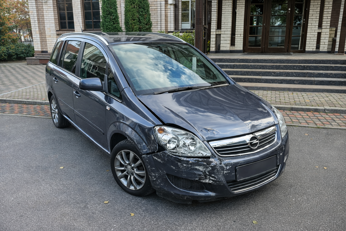
On the left is a photo of a car in good condition. Then, the photo was put through an AI generator prompted to "show the car with damage." After about 10 seconds, AI generated a new photo of the car with damage to its front.



2. Fake Documents & Reports

Generative AI can produce realistic claim documentation in seconds, including:

  • Repair estimates
  • Medical records and bills
  • Police or incident reports


3. Synthetic Identities & Impersonation

AI is also being used to create entirely fake identities or impersonate real individuals.

  • Voice cloning can mimic policyholders during phone calls
  • Deepfake videos can verify fake identities
  • Fraudsters can submit claims under fabricated or stolen identities

In one case, fraudsters used AI to clone a company director’s voice and call an employee, instructing them to authorize a series of payments tied to a supposed business transaction. Because the voice sounded like the executive's, the employee believed the request was legitimate and helped facilitate transfers totaling up to $35 million.

Breaking The Numbers Down

  • Industry reports estimate that 20–30% of insurance claims now include some form of AI-altered media, such as manipulated images or synthetic documents.
  • In 2024, there was a 475% increase in synthetic voice fraud attacks at insurance companies.

How To Detect AI Fraud

Images & Videos

  • Damage that looks inconsistent with the described incident
  • Lighting, shadows, or reflections that appear unnatural
  • Blurred or distorted edges around objects

Often, AI-generated images appear "airbrushed." When you look closely at the image, areas of the photo may blend together because it's harder for AI to maintain consistency in the details.

Documents

  • Formatting inconsistencies or mismatched fonts
  • Repeated templates or identical layouts across documents
  • Missing or altered metadata

Keep an eye out for spelling and grammar errors. AI-generated content can also distort logos, so be sure to check for any unexpected changes.

Behavior

  • Claims submitted unusually quickly after a policy is issued
  • Reluctance to provide additional verification or documentation
  • Inconsistent details between conversations and submitted materials

Communication

  • Voice calls that sound slightly unnatural or inconsistent
  • Overly polished written narratives that lack specific details
  • Mismatch between identity and communication style

How Insurance Companies Are Responding?

1. Advanced AI Fraud Detection Systems

Insurance companies are using AI to fight AI. Modern systems analyze large volumes of data to identify suspicious patterns such as:

  • Inconsistent claim details
  • Unusual claim frequency or timing
  • Behavioral anomalies during submission

These systems are becoming a top priority, with 35% of insurance executives identifying fraud detection as a key area for AI investment.


2. Image & Video Forensics

Insurers are using computer vision tools to analyze submitted media. These tools can:

  • Detect manipulation in images and videos
  • Analyze metadata such as timestamps and editing history
  • Identify reused or duplicated images across claims


3. Multi-Step Verification Processes

To validate claims, insurers are enhancing documentation requirements:

  • Requesting multiple photos from different angles
  • Asking for original files instead of screenshots
  • Conducting live video inspections of damage


4. Biometric & Identity Verification

Some insurers are implementing biometric tools such as facial recognition and liveness detection to prevent impersonation.


5. Financial Impact & Industry Response

Fraud remains a major financial driver behind innovation. Deloitte estimates that AI-driven fraud detection could help insurers save $80 billion to $160 billion by 2032 by reducing fraudulent claims.

Act Now, Save Later

Staying Ahead of Fraud Starts with the Right Coverage

As fraud becomes more advanced and increasingly driven by technology, the risks businesses face are no longer just physical. Cyber liability coverage can help protect your business from threats like AI-driven fraud, data breaches, and social engineering attacks that traditional policies were not designed to cover.

If you have not reviewed your cyber coverage recently, now is a good time to make sure your protection keeps pace with today’s risks.

Speak to an advisor today!

We're here to answer your questions. Let's talk.

You Can Always Call Us Toll-Free at: 1 (888) 262-6729

What can we help you with?

Thanks for reaching out! We'll respond shortly.
Filed Under