January is National Winter Driving Awareness Month: Are You and Your Vehicle Prepared?
Blog Entry - January 19, 2026
January is National Winter Driving Awareness Month, a reminder to prepare your vehicle for snow, ice, and cold temperatures. Learn these simple winter driving preparation tips that can help keep you safe and protected all season long.
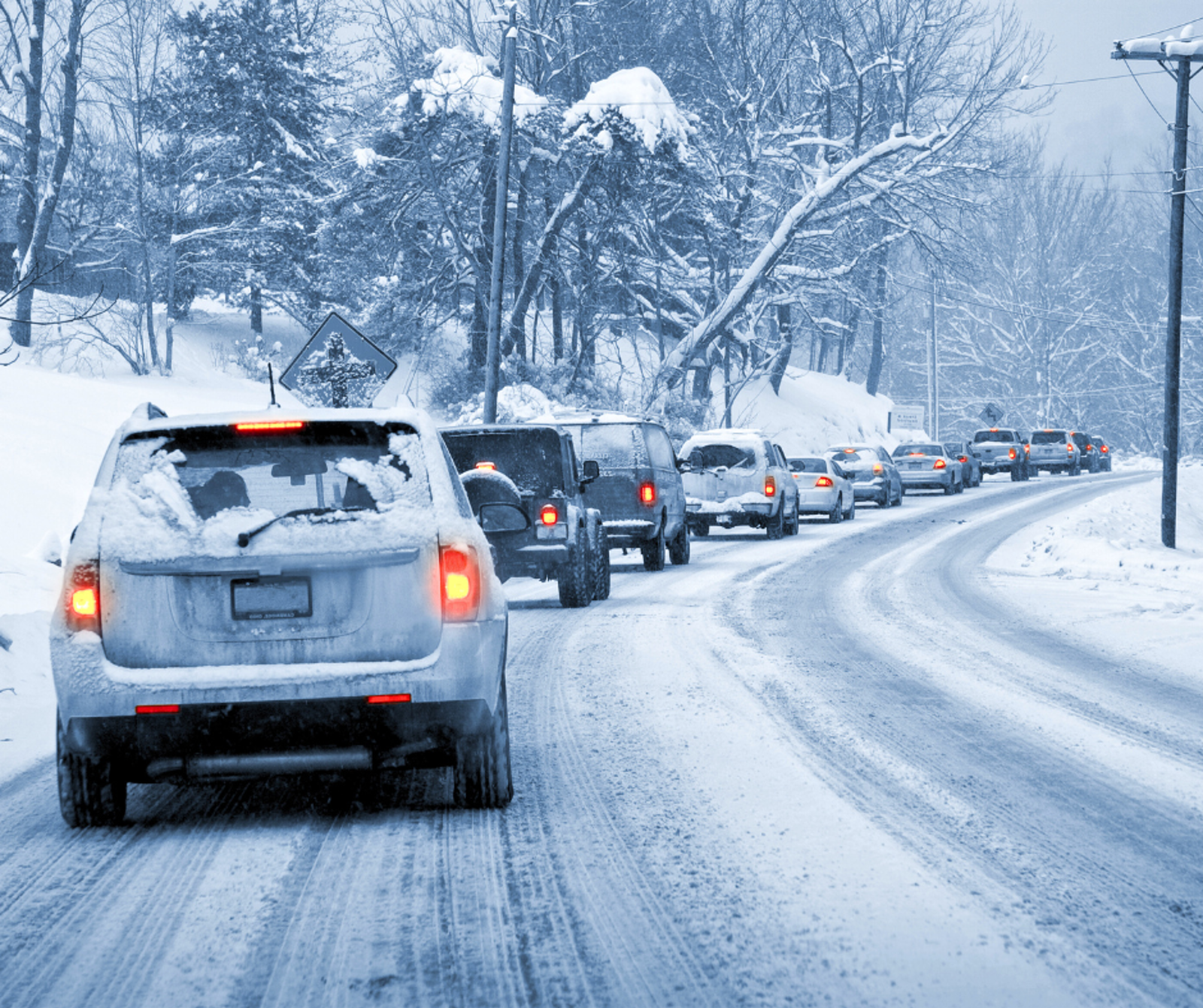
Winter driving in Wisconsin and across the Midwest is not to be taken lightly. Snow, ice, reduced visibility, and extreme cold all increase the risk of accidents and breakdowns. National Winter Driving Awareness Month is the perfect reminder to slow down, plan ahead, and make sure your vehicle is truly ready for winter conditions before you need it most.
According to the Federal Highway Administration, nearly 24 percent of weather-related crashes occur on snowy, slushy, or icy pavement, and winter weather contributes to over 1,300 deaths and more than 116,000 injuries each year. Preparation can make a real difference in reducing these risks.
Prepare Your Vehicle for Winter Conditions
Cold temperatures put extra stress on your vehicle, especially components like the battery, tires, and braking system. A few proactive steps can help prevent breakdowns and improve safety.
- Check your battery. Cold weather can reduce battery strength by up to 50 percent. If your battery is more than three to four years old, have it tested (Community Auto, 2024).
- Install winter or all-weather tires. In the summer, regular tires are more flexible, allowing them to grip the pavement better. However, in winter, regular tires become stiff, reducing traction. Winter tires are designed to be more flexible in cold weather, improving braking and acceleration on snow and ice.
- Check tire pressure regularly. Tire pressure drops about 1-2 PSI for every 10-degree drop in temperature (Jiffy Lube).
- Test your brakes, windshield wipers, defroster, and heater.
- Top off winter-rated windshield washer fluid and check antifreeze levels.
- Keep your gas tank at least half full to help prevent fuel line freeze-ups.
Build a Winter Emergency Kit
Even the most prepared drivers can find themselves stuck due to weather or road conditions. An emergency kit can help keep you safe while you wait for assistance.
Consider keeping these items in your vehicle:
- Jumper cables or a portable jump starter
- Ice scraper and snow brush
- Shovel
- Blanket, hat, gloves, and extra warm clothing
- Non-perishable snacks and bottled water
- First aid kit
- Phone charger or power bank
- Traction aids like sand or kitty litter
AAA (2024) reports that dead batteries, flat tires, and lockouts are among the most common winter roadside assistance calls, many of which can be managed or mitigated with basic preparedness.
Adjust Your Driving Habits
Vehicle readiness is only part of the equation; how you drive matters just as much.
- Slow down and increase following distance. Stopping distances on icy roads can be up to ten times longer.
- Avoid sudden braking or sharp turns.
- Give snowplows plenty of space and never pass them.
- Plan extra time for winter trips and check road conditions before leaving.
Protect What Matters Most
Winter driving risks do not stop at the road. Keeping your auto insurance coverage up to date can help protect you financially if the unexpected happens. Reviewing coverages like collision, comprehensive, roadside assistance, and rental reimbursement can provide added peace of mind during the winter months.
At Ansay and Associates, we believe readiness is about more than reacting after an accident. It is about planning ahead so you, your family, and your vehicle are protected no matter what winter brings. If you have questions about your coverage or want to review your policy before the next snowstorm hits, our team is here to help.
We're here to answer your questions. Let's talk.
You Can Always Call Us Toll-Free at: 1 (888) 262-6729

Blog Entry
Workplace Safety Training: Why Regular Risk Reviews Matter
Learn why workplace safety training refreshers matter and how a risk review can help businesses reduce risk, improve safety practices, and maintain OSHA compliance.
Continue Reading
Blog Entry
Investing in the Next Generation: Mike Ansay and Marquette’s Insurance Leadership Program
Mike Ansay’s long-standing partnership with Marquette University has helped bring the Insurance Leadership Program to life, creating new opportunities for students to enter the insurance industry.
Continue Reading
Blog Entry
Are There Gaps in Your Employee Benefits Plan? What Employers Need to Know in 2026
Nearly 75% of employees say comprehensive benefits impact their decision to stay. Learn how to identify employee benefits coverage gaps and strengthen your strategy for retention, compliance, and workforce wellbeing.
Continue Reading
Blog Entry
Choosing The Right Life Insurance Policy: Term vs Permanent
Learn the key differences between term and permanent life insurance and find the coverage that best protects your family, finances, and future.
Continue ReadingAlmost there!
We need a little more information from you. Once this form is submitted you will be able to utilize the resource requested.
By requesting this resource, you are agreeing to receive email communications from Ansay. You can unsubscribe at anytime via your preference center.
Not allowed
You are attempting to download a resource that isn’t available to you.