Don’t Let Winter Burst Your Budget: Preventing Frozen Pipe Damage
Blog Entry - January 26, 2026
Learn why frozen pipes are one of the biggest winter risks for Wisconsin homeowners and how simple prevention steps and the right insurance coverage can help you avoid costly damage.
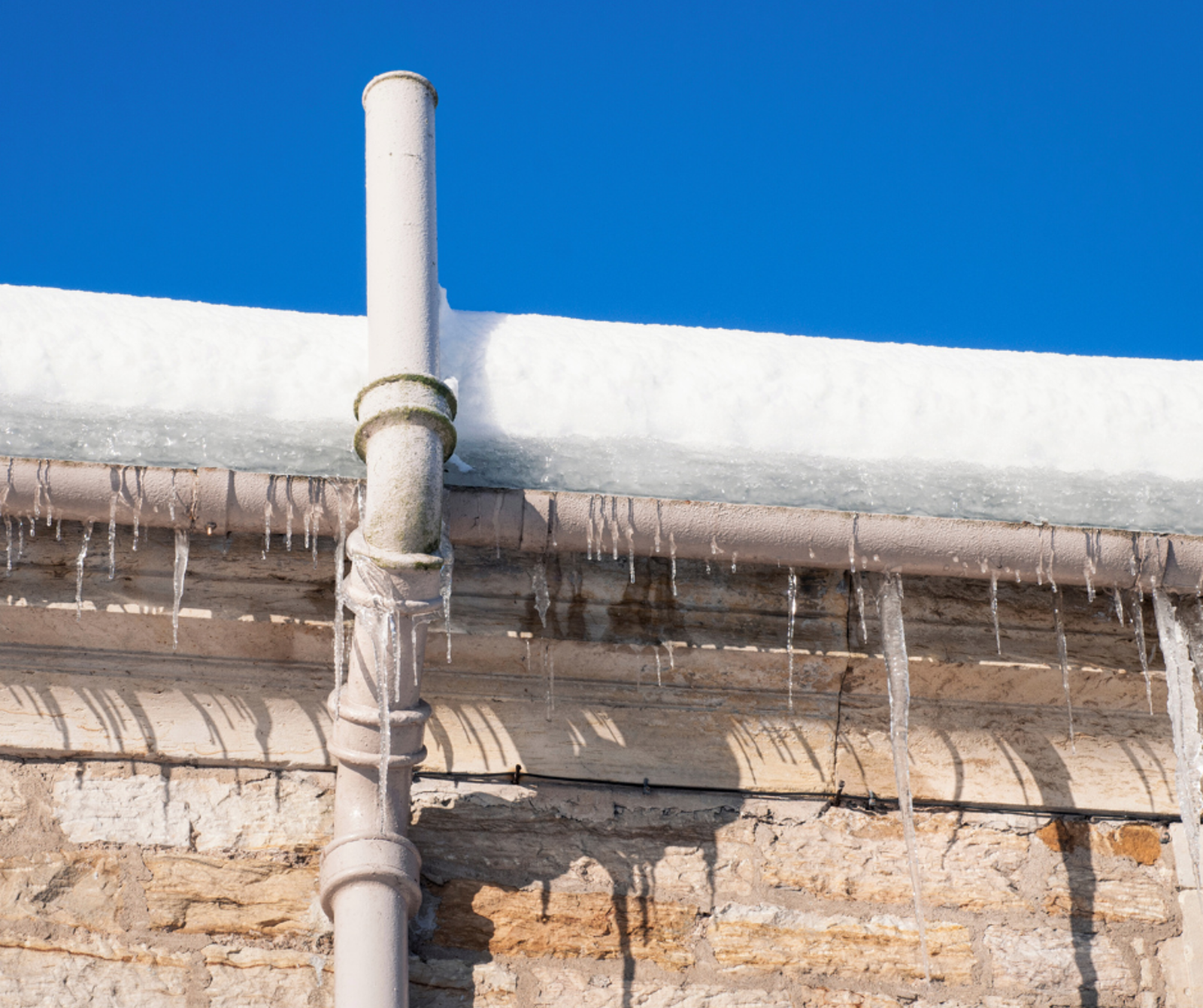
Wisconsin winters are no joke, and neither are the risks they bring to your home. One of the most common and costly winter insurance claims comes from frozen and burst pipes. The good news is that many of these claims are preventable with a little preparation and awareness.
Frozen pipes do not just cause temporary inconvenience. They can lead to extensive water damage, mold growth, and expensive repairs that take weeks to fully resolve.
Why Frozen Pipes Are a Big Deal
When temperatures drop, water inside pipes can freeze and expand. As the ice expands, pressure builds inside the pipe until it cracks or bursts. Once the ice melts, water flows freely into walls, ceilings, and floors.
Some eye-opening statistics:
- Water damage and freezing account for nearly 23 percent of all homeowners insurance losses in the U.S (Insurance Information Institute, 2026).
- The average water damage or freezing claim costs about $15,400 (Insurance Information Institute, 2026).
Common Causes of Frozen Pipes
Frozen pipe claims often stem from a few repeat issues:
- Inadequate insulation in basements, crawl spaces, or exterior walls
- Leaving homes unheated during vacations or extended absences
- Pipes located near exterior walls or in unheated garages
- Sudden temperature drops combined with wind chill
Even newer homes can be vulnerable if insulation or airflow around plumbing is not properly designed.
How to Prevent Frozen Pipes This Winter
Taking a few proactive steps now can help you avoid a costly claim later.
Simple prevention tips:
- Keep your thermostat set to a minimum of 55°F, even when you are away
- Open cabinet doors under sinks to allow warm air to circulate
- Insulate exposed pipes in basements, crawl spaces, and garages
- Seal cracks and gaps near pipes where cold air can enter
- Let faucets drip slightly during extreme cold to keep water moving
If you are leaving town, consider having a trusted friend or neighbor check on your home during periods of extreme cold.
What To Do If a Pipe Freezes
If you suspect a frozen pipe:
- Shut off the main water supply immediately
- Try to thaw the pipe, but never use an open flame
- Call a licensed plumber if you cannot safely thaw the pipe
If a pipe bursts, document the damage as soon as it is safe and contact your insurance agent right away to start the claims process.
How Home Insurance Responds to Frozen Pipe Claims
Most standard homeowners insurance policies cover damage caused by frozen and burst pipes as long as the home was properly maintained and heated. However, coverage can vary based on policy details and circumstances.
Common exclusions may apply if:
- The home was left unheated without reasonable care
- The property was vacant for an extended period without proper safeguards
- Maintenance issues were ignored
That is why reviewing your policy is so important.
Let Ansay Help You Stay Protected
Winter preparedness is not just about staying warm. It is about protecting your home, your finances, and your peace of mind. At Ansay & Associates, our team helps homeowners understand their coverage, reduce risks, and prepare for seasonal challenges before claims happen.
We're here to answer your questions. Let's talk.
You Can Always Call Us Toll-Free at: 1 (888) 262-6729

Blog Entry
Workplace Safety Training: Why Regular Risk Reviews Matter
Learn why workplace safety training refreshers matter and how a risk review can help businesses reduce risk, improve safety practices, and maintain OSHA compliance.
Continue Reading
Blog Entry
Investing in the Next Generation: Mike Ansay and Marquette’s Insurance Leadership Program
Mike Ansay’s long-standing partnership with Marquette University has helped bring the Insurance Leadership Program to life, creating new opportunities for students to enter the insurance industry.
Continue Reading
Blog Entry
Are There Gaps in Your Employee Benefits Plan? What Employers Need to Know in 2026
Nearly 75% of employees say comprehensive benefits impact their decision to stay. Learn how to identify employee benefits coverage gaps and strengthen your strategy for retention, compliance, and workforce wellbeing.
Continue Reading
Blog Entry
Choosing The Right Life Insurance Policy: Term vs Permanent
Learn the key differences between term and permanent life insurance and find the coverage that best protects your family, finances, and future.
Continue ReadingAlmost there!
We need a little more information from you. Once this form is submitted you will be able to utilize the resource requested.
By requesting this resource, you are agreeing to receive email communications from Ansay. You can unsubscribe at anytime via your preference center.
Not allowed
You are attempting to download a resource that isn’t available to you.